An Electrical Installation Condition Report, or EICR, is one of the most important tools for checking the safety and reliability of your property's electrical wiring. Whether you own a home or a rental property in Brighton and the surrounding areas, having a clear understanding of what an EICR involves helps you stay ahead of potential electrical faults. This essential inspection can prevent costly repairs, reduce the risk of electrical fires, and ensure your property meets current safety standards. Knowing when and why to get an EICR gives you peace of mind and helps protect everyone who lives in or visits your property.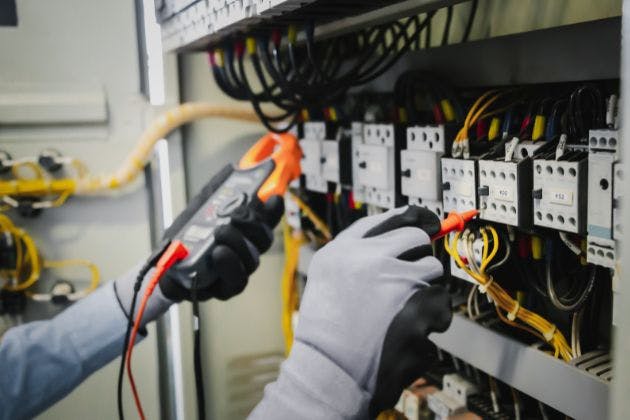
What an EICR is and when it is recommended
An EICR is a detailed inspection and testing of your fixed electrical installation. It looks at the wiring, consumer unit, sockets, switches and other fixed equipment, rather than portable appliances.
For landlords in England, EICRs are a legal requirement at set intervals for most rented properties. For homeowners, they are strongly recommended every few years, when buying or selling, or after major renovation work.
In Brighton’s older housing stock, with plenty of rewires and extensions over the years, an EICR is especially useful. It can highlight ageing wiring, old fuse boxes and past DIY work that may not meet current standards.
Key safety checks carried out during an EICR
Your electrician will work methodically around the property, checking that the installation is safe to use and suitable for the way you live. They are not just looking for obvious faults, but also for issues that could develop into future risks.
Some of the main areas checked include:
Consumer unit condition – type, age, labelling and overall safety of the main fuse board
Earthing and bonding – ensuring the installation is correctly earthed and key metalwork is bonded
RCD protection – checking for modern residual current devices on key circuits, especially sockets and bathrooms
Circuit loading – whether circuits are overloaded by the number or type of appliances in use
Signs of overheating or damage – such as discolouration, burning smells, loose terminations or cracked fittings
Your electrician will also pay close attention to DIY alterations, spurs taken from existing sockets, and any non-standard additions. In Brighton and the nearby areas, it is common to see loft conversions, garden rooms and kitchen refits that have been wired at different times, so these are checked carefully.
Bathrooms, outdoor supplies and outbuildings
Bathrooms have special zones where electrical equipment must meet stricter rules due to the increased risk of electric shock. Your electrician will verify that lights, fans, showers and shaver points are suitable for their zone and properly protected.
Supplies to sheds, garages and garden offices are also inspected. The route, type of cable, protection from damage and RCD coverage all need to be appropriate for the environment and load.
Step-by-step: What happens during an EICR
Knowing what to expect can make the visit smoother and help reduce disruption.
Before the visit
When booking, you will usually be asked for basic details such as the size of the property, how many consumer units you have and whether it is owner-occupied or rented. It helps to mention any known problems, such as tripping circuits or damaged sockets.
For tenanted properties, landlords and agents should coordinate with occupants so that the electrician can access all rooms, including lofts, basements and outbuildings.
On arrival and initial checks
The electrician will start with a visual inspection, looking at the condition of the consumer unit, sockets, switches, light fittings and any obvious alterations. They will identify which circuits feed key areas and note anything that needs closer investigation.
At this stage you can highlight any concerns, such as buzzing from the fuse board or particular sockets you do not trust.
Testing and power interruptions
To test safely and accurately, the electrician will need to turn off power to individual circuits at times. This is usually done in stages so you are not without power everywhere at once.
Specialist test instruments are used to check insulation resistance, earth fault loop impedance, RCD trip times and continuity of protective conductors. These readings show how well your installation would perform under fault conditions.
You may notice lights or sockets going off temporarily as each circuit is tested. The electrician will normally warn you before turning anything off so you can save work on computers or pause appliances.
Wrapping up and your report
Once testing is complete, the electrician will restore power and complete the Electrical Installation Condition Report. This document summarises the condition of the installation, lists any observations and states whether the overall outcome is satisfactory or unsatisfactory.
They should talk you through the main findings in plain English, explaining any urgent issues and items that can be planned for later.
Understanding EICR observation codes
Each issue found during an EICR is given an observation code. These codes help you see which items are most urgent, without you needing to be an electrician yourself.
Typically, codes are grouped into items that require immediate action, items that need improvement as soon as practical, and items that are non-compliant with current standards but not unsafe on their own. The exact wording may vary slightly, but the idea is to guide your priorities.
The report itself is not legal advice. For landlords, you should use it as a practical tool, discussing recommended remedial work with your electrician and your letting agent where relevant, so you can plan the next steps properly.
How to prepare your property for an EICR
A little preparation helps your electrician work efficiently and reduces the time your power is interrupted.
Clear access to the consumer unit, sockets and key switches
Make a note of any circuits that regularly trip or areas that concern you
Arrange for tenants to be present or provide keys and clear instructions
Unplug delicate electronics if you are concerned, and back up important work
For rented properties, ensure occupants know that some power loss is expected and advise them to switch off sensitive equipment in advance. If there are pets, it is helpful to keep them away from the work area for safety.
Choosing an electrician in Brighton for your EICR
For something as important as the safety of your electrics, it pays to use a qualified, experienced electrician who regularly carries out EICRs. Ask how they will approach the inspection, how long it is likely to take and how they handle explaining the report.
For homeowners and landlords in Brighton and the surrounding areas, Resistance Electrical's Testing & Inspection services provide clear reporting and practical advice on the best way to put things right. You can also explore the new Electrician hub for more guides, tips and service information.
Next steps and how Resistance Electrical can help
An EICR is not just a box-ticking exercise. Used properly, it is a clear picture of how safe your installation is today and what you should plan to improve over time.
If you are ready to arrange an EICR, or want to talk through a previous report, contact Resistance Electrical on 07935923323. The team can help you understand your options, prioritise any remedial work and keep your Brighton property safe, compliant and ready for the future.
EndFragment