Do you need an EICR? For landlords, an Electrical Installation Condition Report is a legal responsibility in many rented properties. For homeowners, it is usually a sensible safety check, particularly before buying, selling or carrying out major electrical work. Whether you are arranging an inspection across the local area or simply trying to understand your responsibilities, the right timing can help identify problems before they become serious.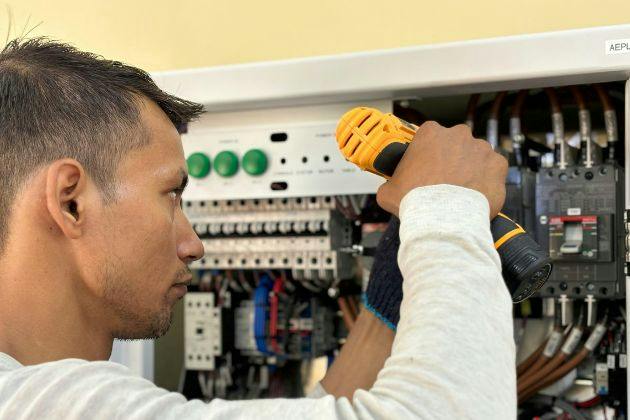
Who should arrange an EICR?
Landlords in England must have the electrical installation in privately rented properties inspected and tested at least every five years, or sooner if the previous report requires it. A copy must be provided to tenants and the local authority when requested. Some landlords also arrange a new inspection when a tenancy changes, especially where the previous report is approaching its expiry date or the property has had alterations.
Homeowners do not usually have a legal duty to obtain an EICR for their own home. However, an inspection is often recommended roughly every 10 years, or when a property changes hands, and sooner in older homes. Current guidance can change, so it is sensible to check the latest recommendations and discuss the condition of your installation with a qualified electrician.
There is no general rule requiring an EICR when selling or buying a property. Nevertheless, a buyer, mortgage provider, insurer or solicitor may ask for evidence that the electrics have been checked. Arranging an inspection before completion can also give you a clearer picture of possible remedial work and avoid surprises after moving in.
Common reasons to book an inspection
Age alone does not prove that an installation is unsafe, but older wiring and accessories may not meet modern expectations or may have deteriorated over time. An EICR is particularly worth considering after significant alterations, an extension, a change in use or repeated electrical faults.
You are buying or selling a property.
The wiring, consumer unit or accessories are more than 10 years old, or their age is unknown.
Circuit breakers trip frequently, sockets become warm or lights flicker.
There has been DIY electrical work, an extension or a change to the property.
You are a landlord approaching the five-year inspection deadline.
What does an electrician test?
An EICR is more than a quick glance at the consumer unit. The electrician carries out a structured visual inspection and a series of tests on the fixed electrical installation, including wiring, sockets, switches, lighting points, earthing, bonding, protective devices and the consumer unit.
Some tests require circuits to be isolated, so power may be switched off for part of the appointment. The electrician will normally need access to every room, outbuildings where applicable and areas such as the loft if cables or equipment are located there. Portable appliances are not normally included because an EICR assesses fixed wiring rather than items such as kettles or televisions.
Understanding EICR results
At the end of the inspection, you should receive a report stating whether the installation is satisfactory. If issues are found, they are recorded using classification codes that show the level of concern and the action needed.
A C1 code means there is danger present and immediate action is needed. A C2 code indicates a potentially dangerous condition requiring urgent attention. A C3 means improvement is recommended, but it does not normally make the report unsatisfactory on its own. An FI code means further investigation is required because the electrician could not safely or fully establish the condition of part of the installation.
For landlords, a report containing C1, C2 or FI findings is generally unsatisfactory until the relevant concerns have been addressed. The next step may be a repair, replacement or more detailed investigation. Depending on the issue, this could involve a consumer unit upgrade, replacement accessories or a partial or complete rewire.
How to prepare for an EICR
Good preparation helps the inspection run smoothly and gives the electrician access to the full installation. Before the appointment, check that rooms, cupboards and electrical equipment are accessible rather than blocked by furniture or stored items.
Make sure the electrician can reach the consumer unit and meter area.
Provide access to all rooms, loft spaces, garages and outbuildings containing electrical equipment.
Clear furniture and belongings away from sockets, switches and fixed appliances.
Tell the electrician about known faults, previous work or circuits that regularly trip.
If tenants live at the property, give them suitable notice and arrange access in advance. It is also useful to keep previous certificates, records of alterations and details of any known electrical problems available for the electrician.
Common EICR myths
An EICR is not the same as a basic visual check, and passing an inspection does not mean that every electrical appliance in the property has been tested. It also does not automatically mean that an old installation must be rewired. The report is based on the condition and safety of the installation at the time of inspection, with recommendations matched to the findings.
Do not ignore a report simply because the lights and sockets appear to work normally. Electrical faults can remain concealed, and repeated tripping or warm accessories should be treated as warning signs rather than inconveniences.
Arrange your electrical inspection
If you are unsure whether your property needs an EICR, an electrician can consider its age, use, history and visible condition before recommending the appropriate next step. Resistance Electrical can help with electrical testing and inspection, explain the findings clearly and advise on any follow-up work.
To discuss your requirements, contact Resistance Electrical on 07935923323, or visit the Testing and Inspection service page to arrange an appropriate assessment. Acting before a tenancy deadline, property purchase or serious fault can make electrical safety easier to manage.