Solar panels require relatively little maintenance overall, but performing regular, safe checks can make a big difference in spotting issues early. By keeping an eye out for reduced energy generation, new shading from growing trees or nearby structures, visible damage like cracks or dirt build-up, and signs of inverter problems, you can ensure your system runs efficiently and lasts longer. Most of these inspections can be easily done from ground level using binoculars or a ladder for a closer look at panels and wiring.
However, any roof access, electrical testing, or repairs must always be carried out by a suitably qualified professional to avoid safety risks and potential damage. Regular monitoring helps catch small problems before they become costly repairs, keeping your solar investment performing at its best.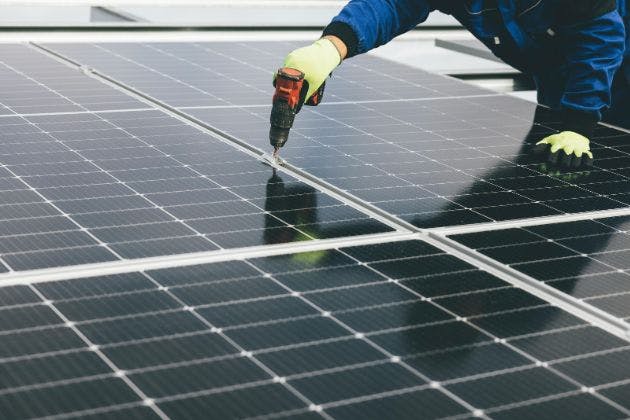
A safe solar panel check from the ground
Choose a dry day and stand where you can view the panels without entering the roof space or using ladders. Look for obvious changes such as cracked glass, heavy bird droppings, leaves, moss, wind-blown debris or anything resting against the array.
Do not walk on panels, lift tiles, move mounting parts or attempt to remove a panel. Solar PV cables and equipment can remain electrically live in daylight, even when the property supply has been switched off.
Check the panels for visible cracks, chips, staining or heavy soiling.
Look for new shade from growing trees, extensions, chimneys or temporary objects.
View the mounting area for loose-looking parts, displaced cables or signs of wind damage.
Check the inverter display or monitoring app for warnings, error codes and generation data.
Notice unusual inverter noises, smells, heat or repeated shutdowns from a safe distance.
What to inspect across the system
Panels, mounting and shading
A small amount of dust may have little effect, but bird droppings, leaves and persistent grime can create shaded areas and reduce output. Avoid abrasive tools, pressure washers and harsh cleaning products. If cleaning appears necessary, ask an installer or specialist cleaning company to assess whether it can be done safely, particularly on a steep or difficult roof.
Shading diagnostics are worth checking after changes around the property. A tree that was harmless when the system was installed may now cast shade across the panels, especially in the morning or late afternoon. Compare the position of shadows with generation levels in your monitoring app, rather than assuming every drop in output is an equipment fault.
Inverter, isolators and battery storage
The inverter converts the panels' electricity into power used in the home. Check its display or online portal for normal operation, daily generation and any error codes. A fan sound may be normal on some models, but loud buzzing, repeated clicking, burning smells or unusual heat should be treated as a reason to seek professional advice.
Isolators are part of the system's electrical safety arrangement. Do not repeatedly switch them on and off or open covers to investigate a fault. If an installer gives you a specific shutdown procedure for an emergency, follow the equipment instructions carefully, but leave fault finding and isolation testing to a qualified person. Battery storage systems need the same caution, with no attempt to access battery enclosures or alter settings without guidance.
A simple route from symptom to solution
Start with the weather and season. Cloud, rain, winter sun angles and shorter daylight hours naturally reduce generation. Compare performance with similar clear days from the same period last year, if records are available, rather than comparing a dull winter day with a bright summer day.
Next, check for shading or surface obstruction. If the reduction occurs at a particular time of day and matches a tree or nearby object, shading may be the likely cause. If only one section appears affected, make a note of the timing and contact an installer for proper diagnostics.
Then check the monitoring system and inverter. A blank display, error code, loss of online data or repeated shutdowns suggests a possible fault. Do not reset equipment repeatedly or remove covers. Record the code, date, weather conditions and any unusual sounds, then ask an MCS-qualified installer to investigate.
If generation remains consistently low despite good weather, clear panels and no new shading, arrange a system health check. The issue could involve the inverter, wiring, isolators, connections, mounting or battery controls, and these components require appropriate electrical testing. You can also read our guide to common solar inverter problems for further background.
Coastal conditions in Sussex
Homes near the Sussex coast may experience salt air, higher humidity and wind-driven sand or debris. These conditions can contribute to surface deposits and corrosion over time, particularly around exposed mounting hardware and electrical enclosures.
From ground level, look for unusual staining, loose-looking fittings or debris collecting around the array, but do not touch suspect components. A periodic professional inspection can check fixings, cable routes, seals and connections more thoroughly than a visual homeowner check.
When to book professional help
Contact an MCS-qualified installer if you see cracked panels, damaged cables, loose mounting, water ingress, persistent inverter errors, unexplained underperformance or any sign of overheating. For wider electrical safety concerns, a qualified contractor can also carry out suitable testing and inspection.
For a safe, structured assessment, contact Resistance Electrical on 07935923323 to request a solar PV system health check or maintenance visit. Professional monitoring, inspection and testing can help your system operate reliably without putting you at risk.